Actionable guides, ACORD 25 verification workflows, and audit strategies designed to help general contractors eliminate risk and automate subcontractor compliance.
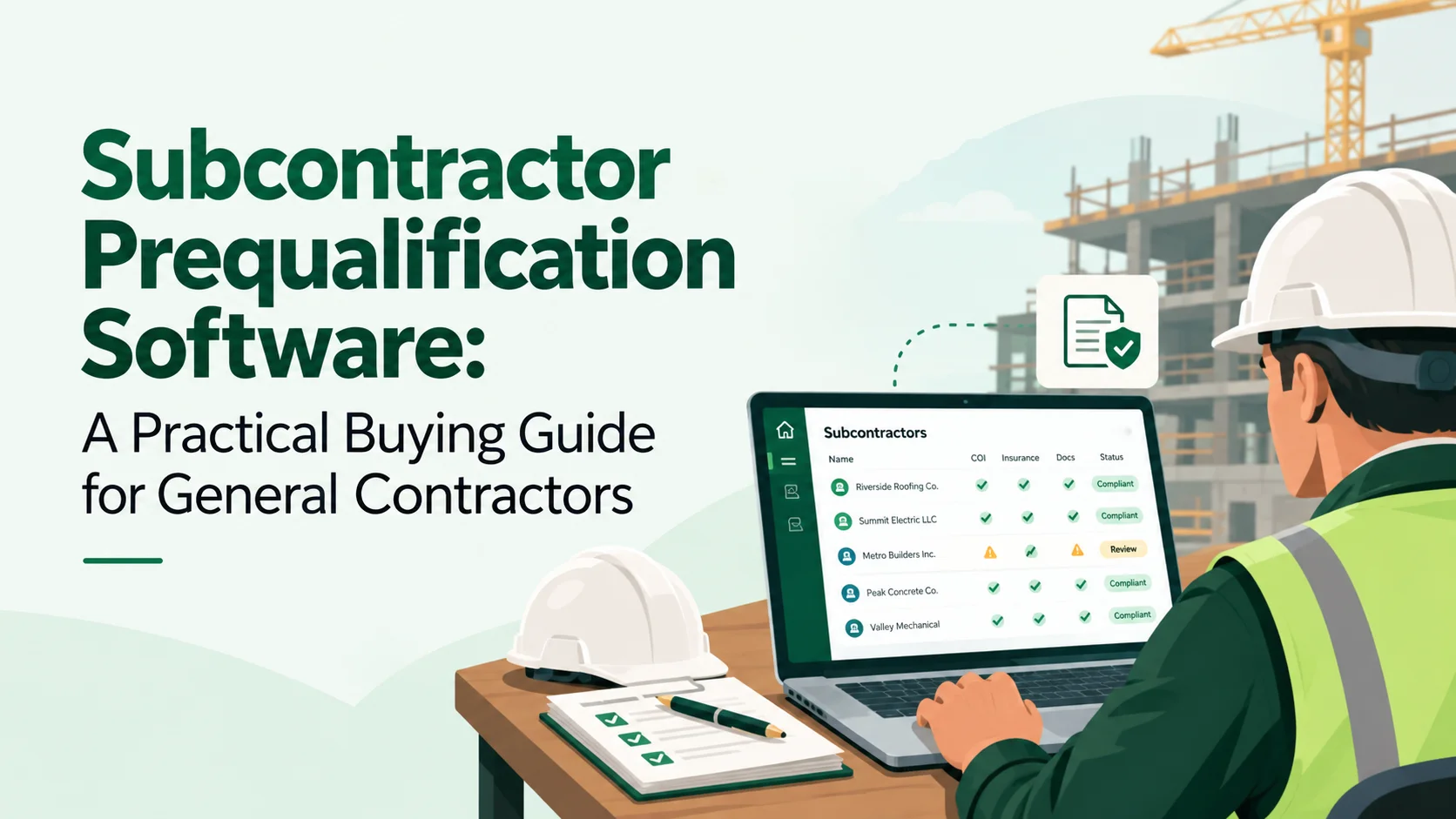
Learn how to compare subcontractor prequalification software for GCs, including questionnaires, safety, financials, documents, review workflows, requalification, and audit history.
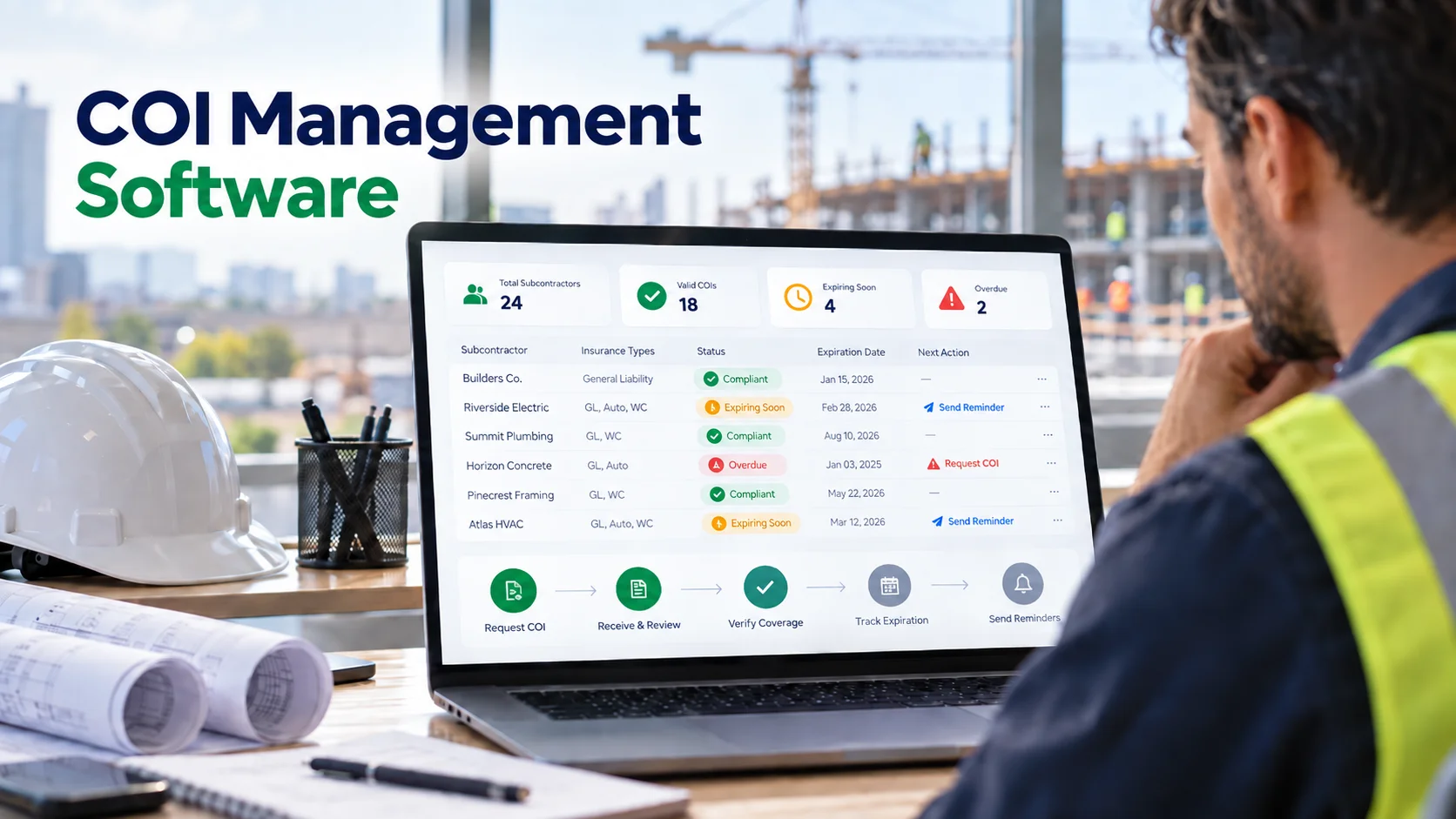
Compare COI management software for general contractors, including expiration tracking, reminders, project requirements, endorsements, review workflows, and reporting.
A practical GC guide to OSHA’s multi-employer citation policy, including creating, exposing, correcting and controlling employers and what reasonable care can mean for site oversight.
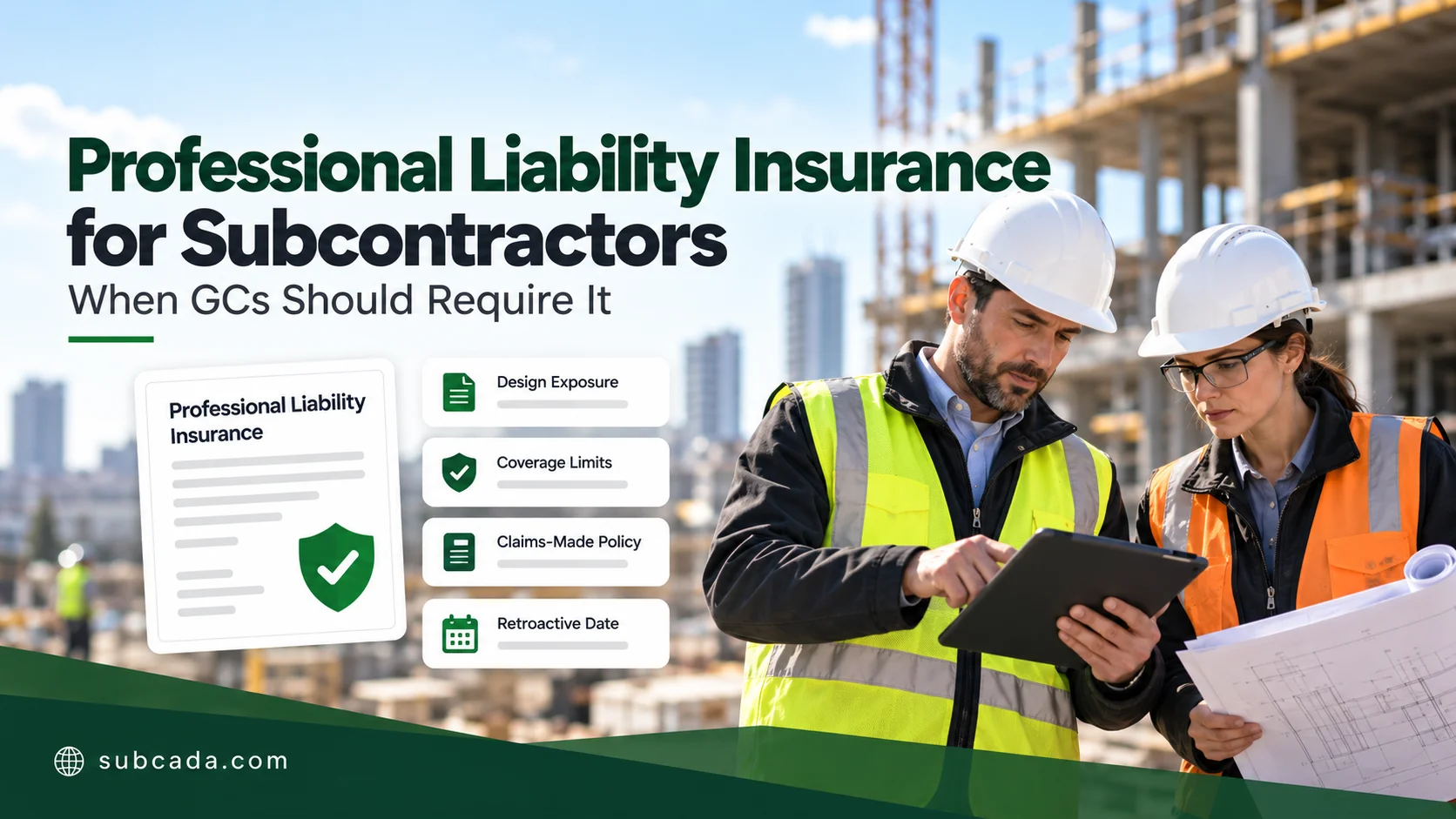
Learn when subcontractor professional liability insurance may be required, which design and professional-service scopes create exposure, and what GCs should verify before approval.
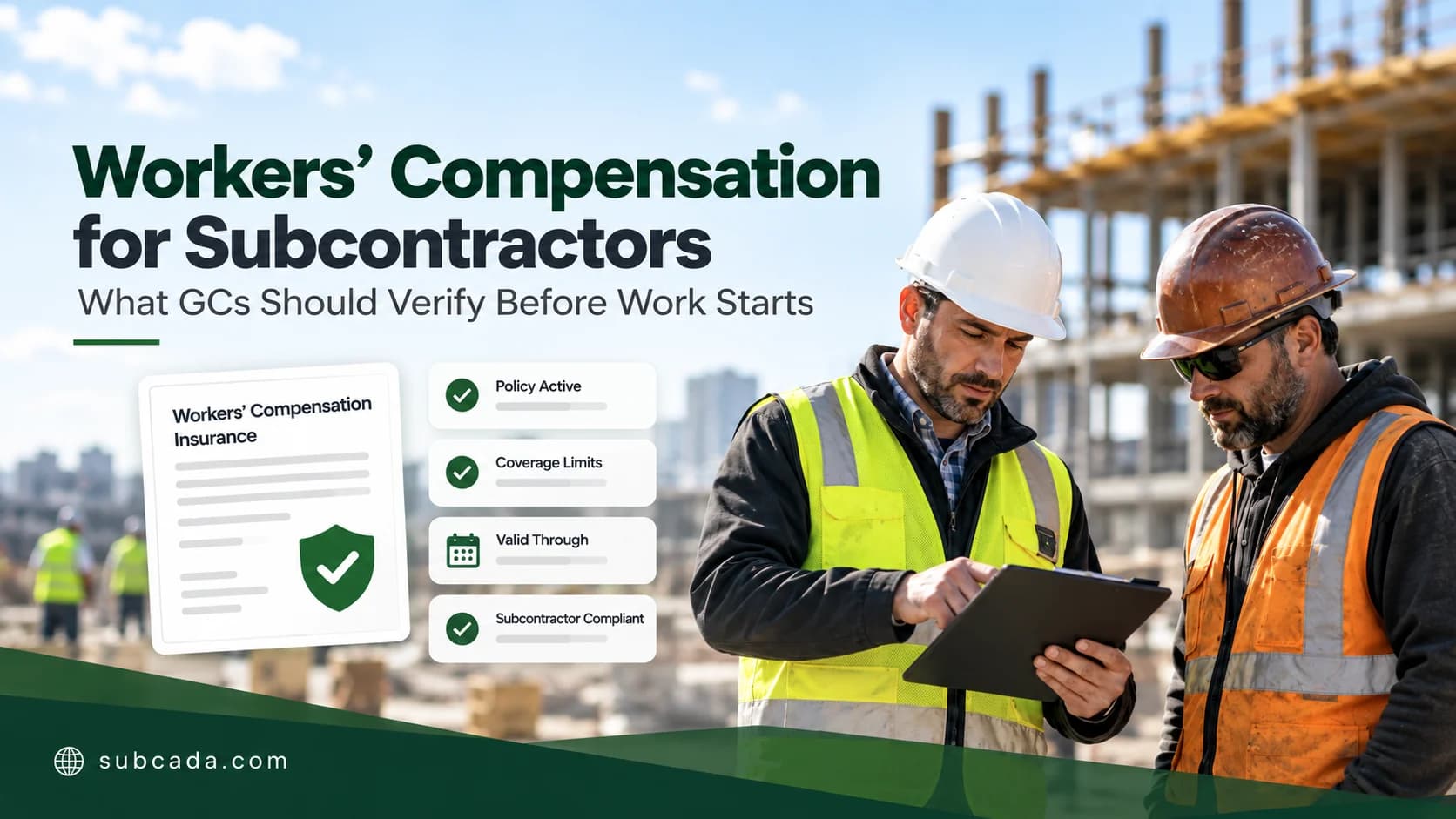
Learn what general contractors should verify when collecting subcontractor workers’ compensation documentation, including certificates, exemptions, policy dates, employer’s liability, renewals, and audit records.
Learn what Contractors Pollution Liability insurance is, when subcontractor work can create pollution exposure, and what GCs should review when CPL is required by a project.
Learn how umbrella and excess liability coverage can increase subcontractor insurance limits, why the terms are not always interchangeable, and what GCs should verify.
Learn when federal contractors need to consider SAM.gov exclusions, how to document a subcontractor exclusion check, and why federal-project rules require careful review.
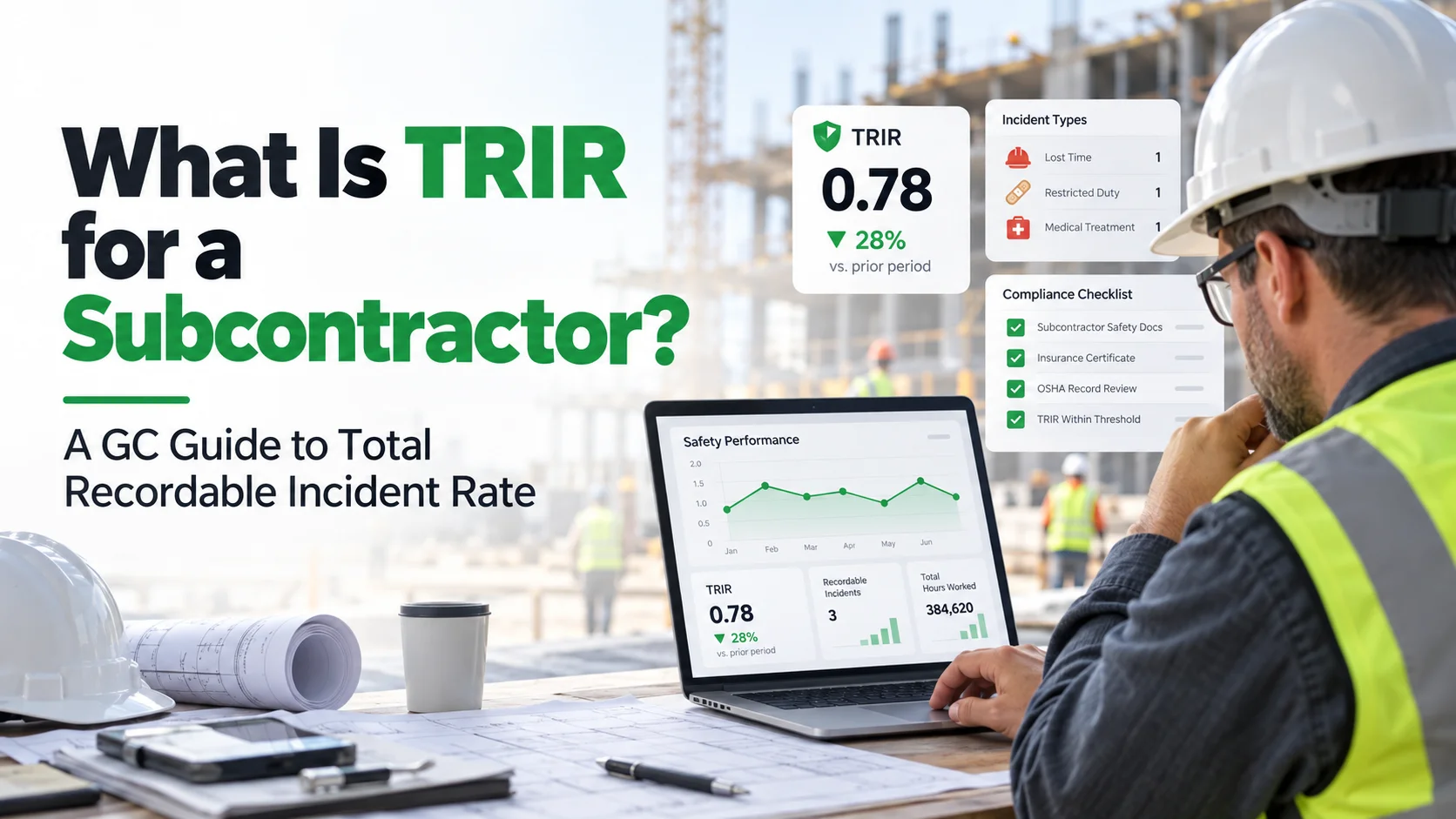
Learn what TRIR means, how the rate is calculated, how GCs can review subcontractor TRIR responsibly, and why it should be considered alongside other safety information.
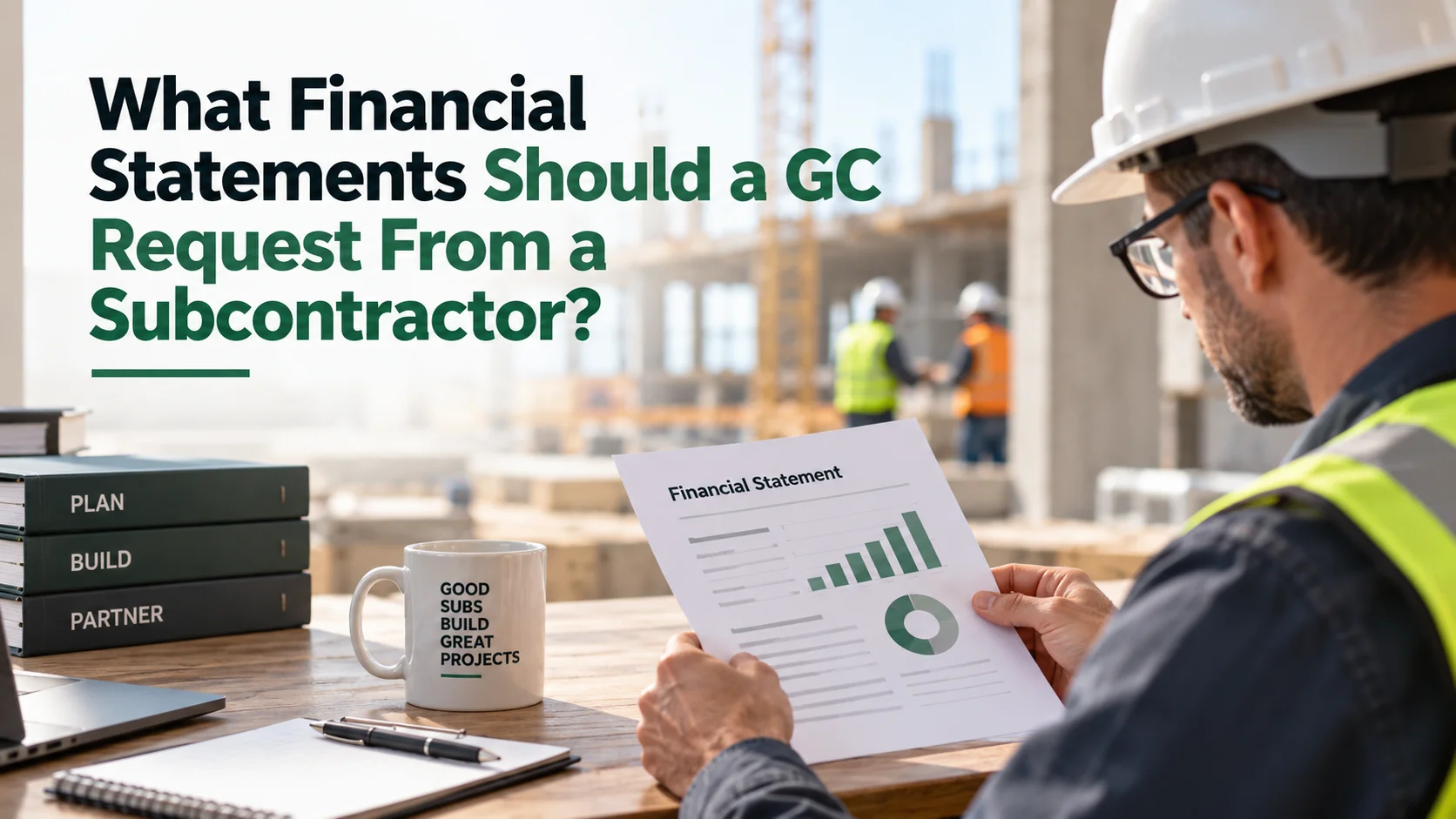
A practical guide to the financial statements and supporting information GCs may request from subcontractors, what each document shows, and how to organize the review.
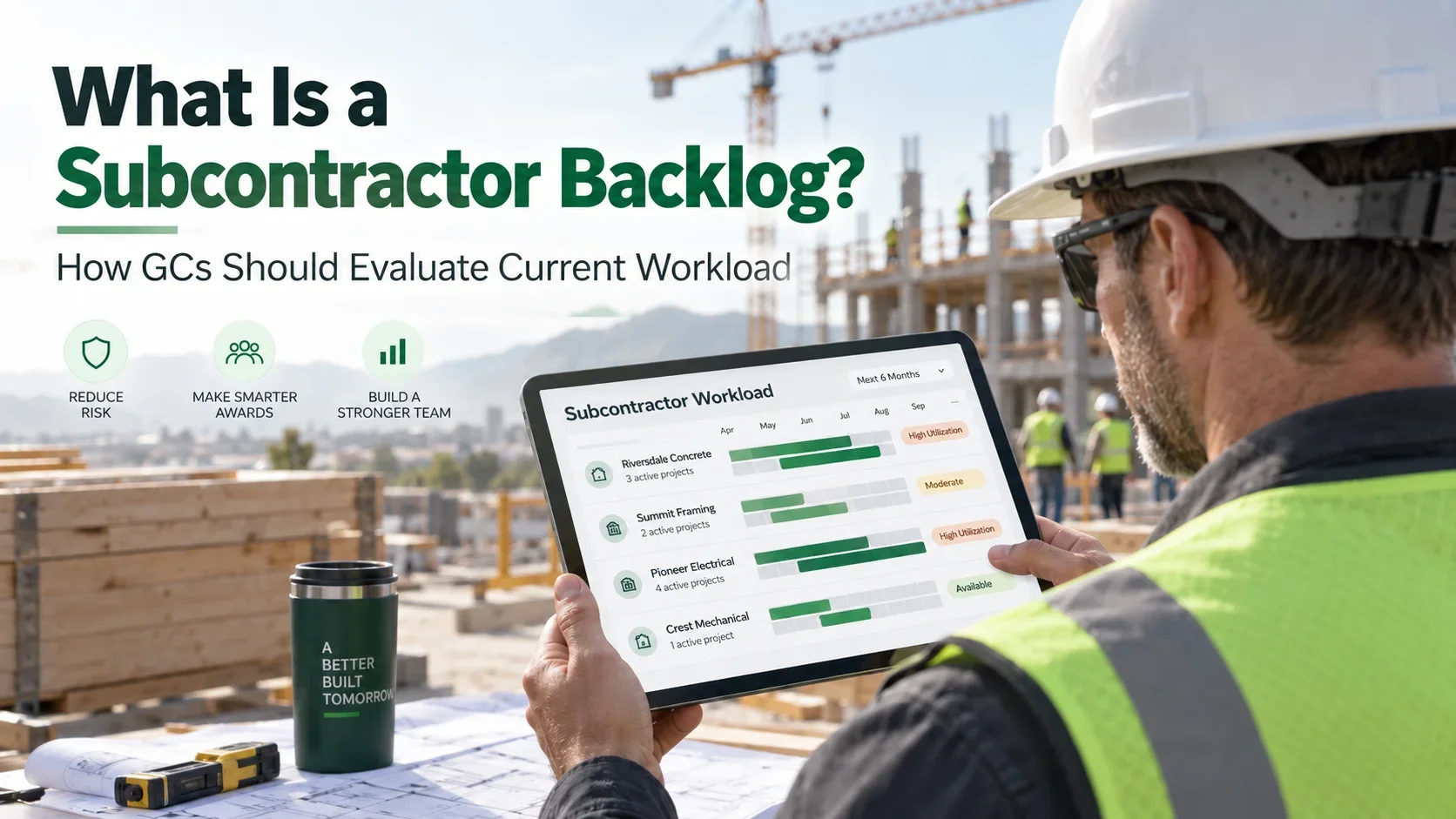
Learn what subcontractor backlog means, how GCs can evaluate current workload, what backlog can reveal about capacity, and which questions to ask before awarding work.
A practical guide for general contractors on evaluating subcontractors before awarding work, including company credentials, licensing, insurance, safety, capacity, references, and documentation.
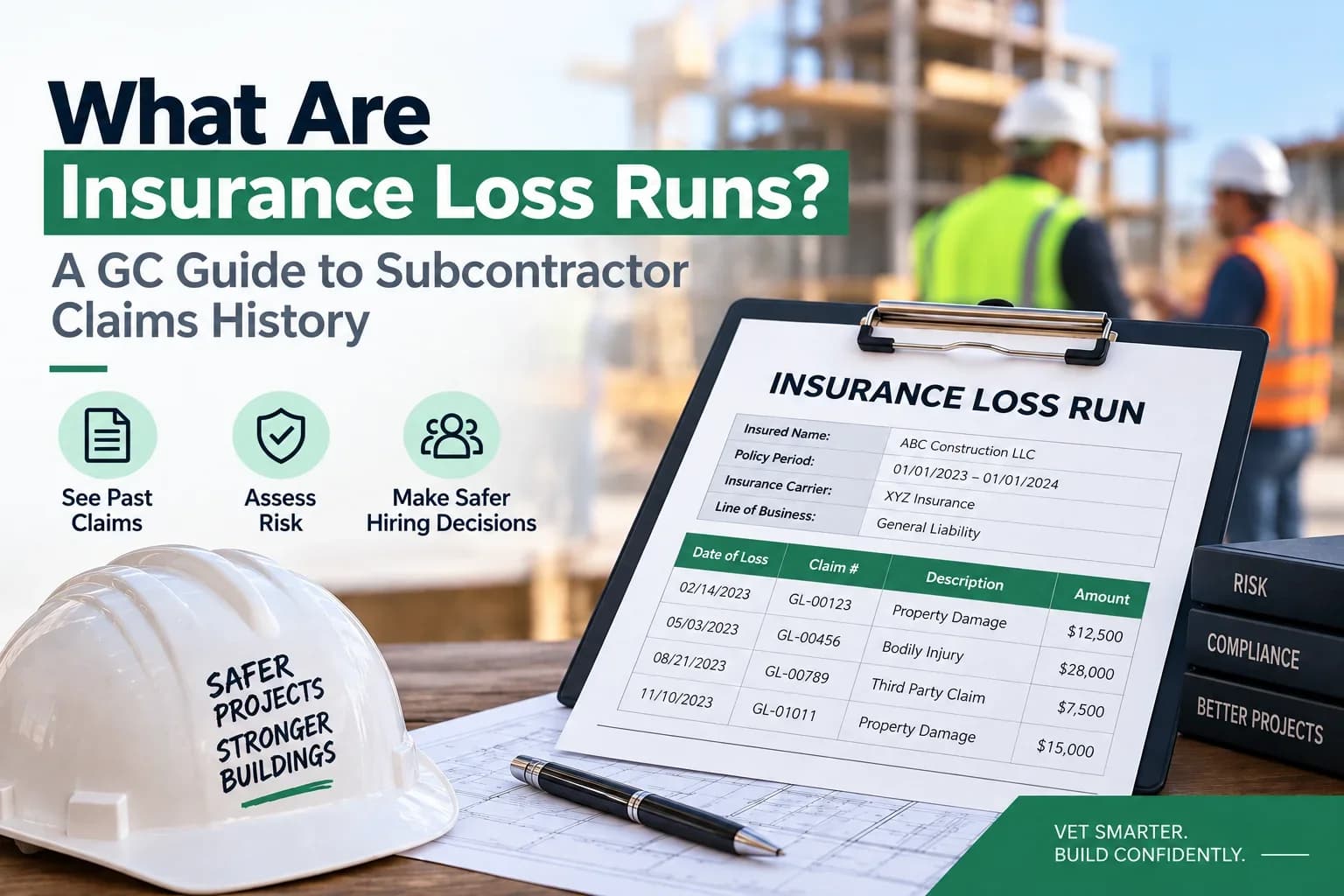
Learn what insurance loss runs are, why general contractors request them from subcontractors, what to check, and how to keep loss-history records organized.
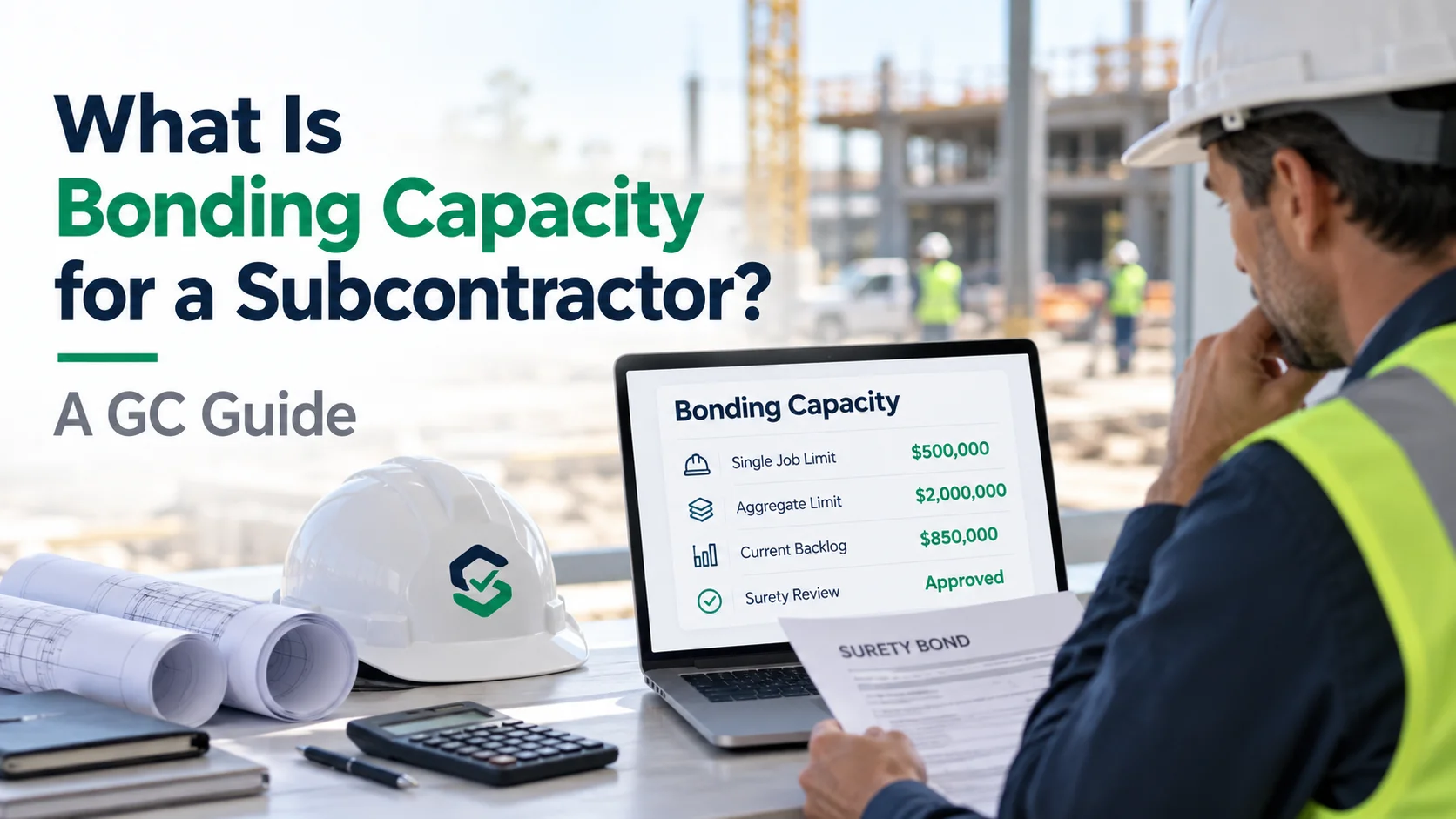
Learn what subcontractor bonding capacity means, how single and aggregate limits differ, what GCs should verify, and how bonding capacity fits into subcontractor qualification.
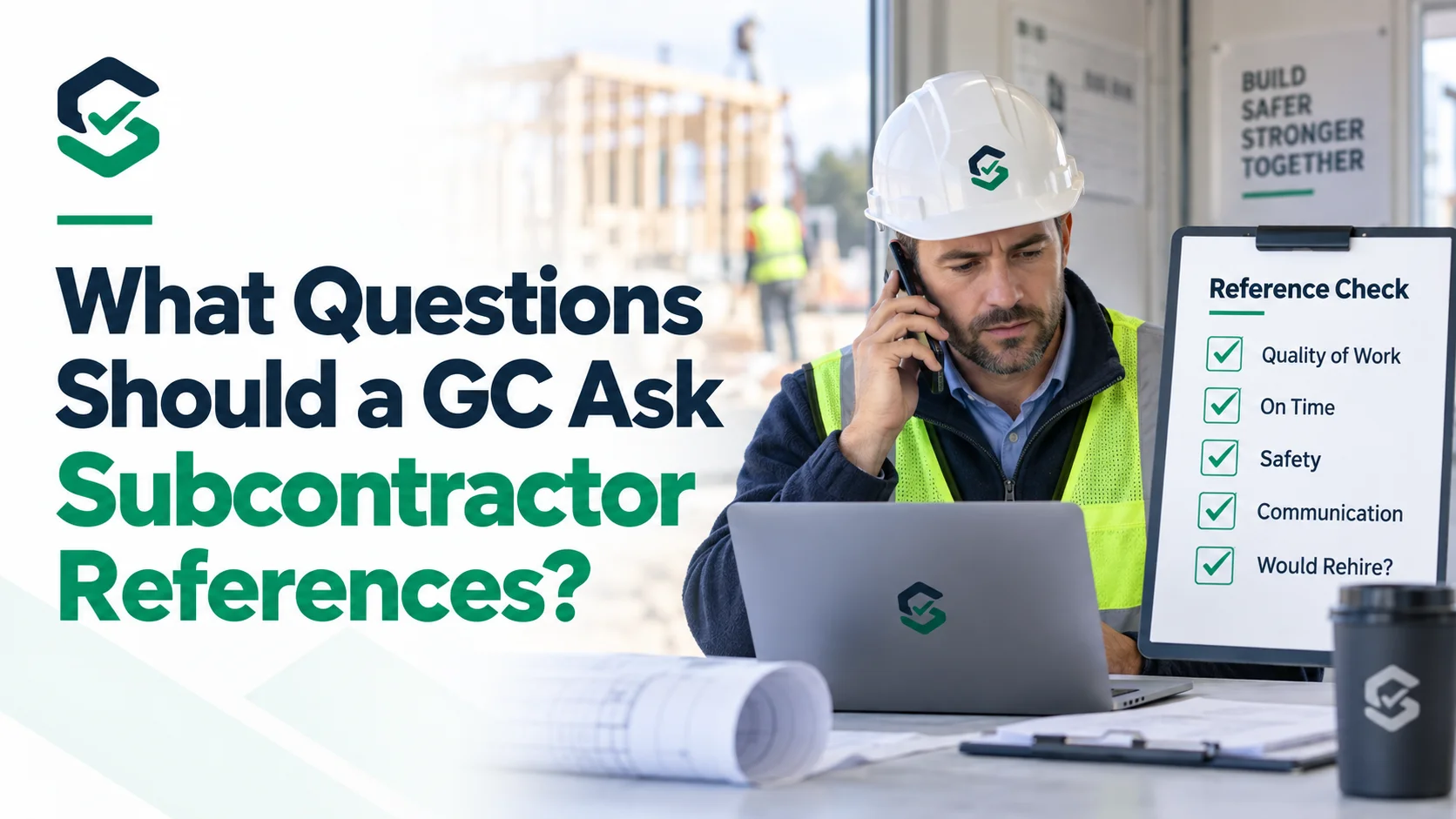
A practical guide to checking subcontractor references, including questions about schedule, quality, payment, safety, change orders, and project performance.
Learn what a subcontractor WIP schedule shows, why GCs request it, what to review, and how to use work-in-progress information during prequalification.
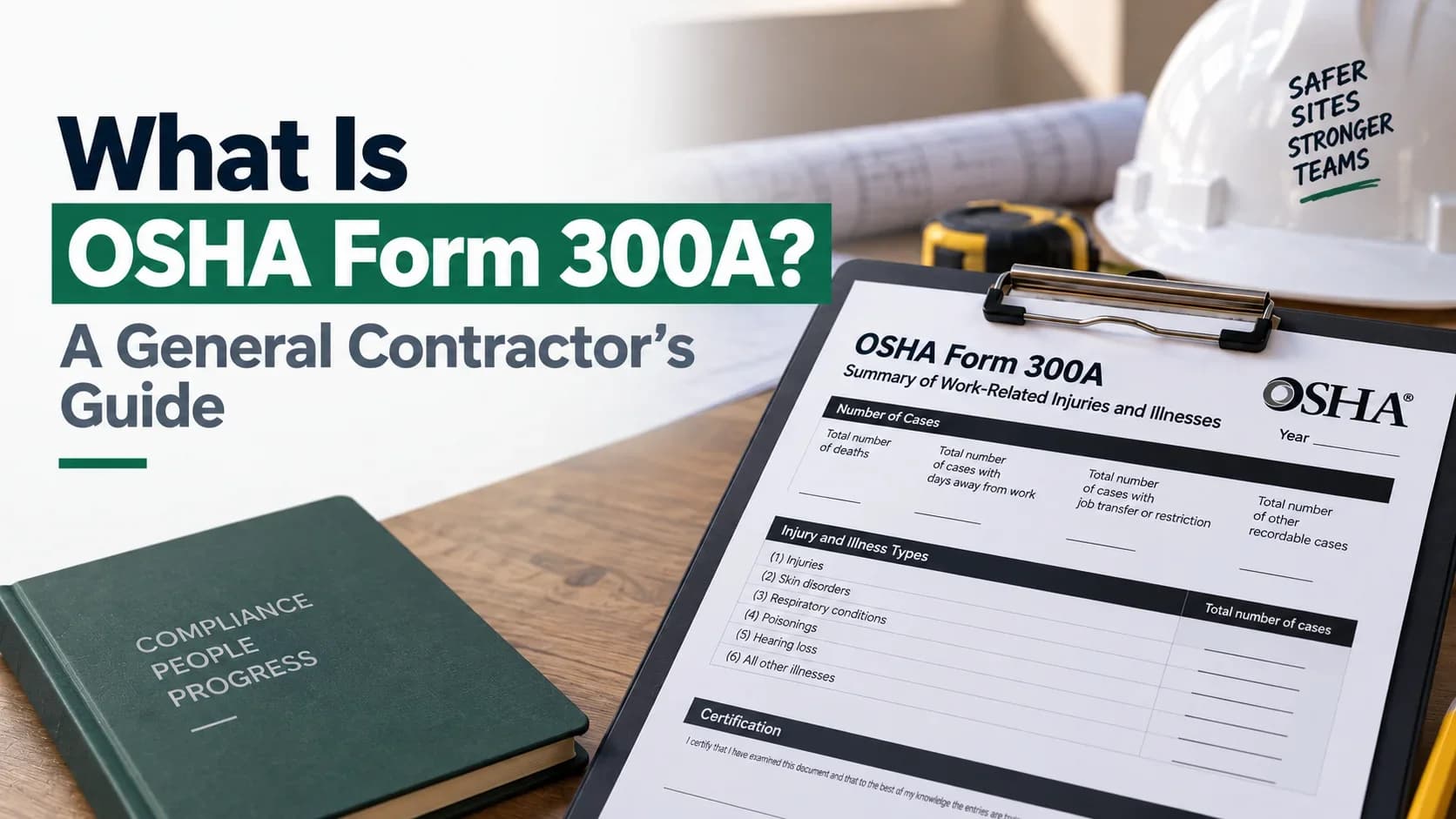
Learn what OSHA Form 300A is, when it matters in subcontractor qualification, what GCs should review, and how to organize safety records without treating the form as a complete compliance assessment.
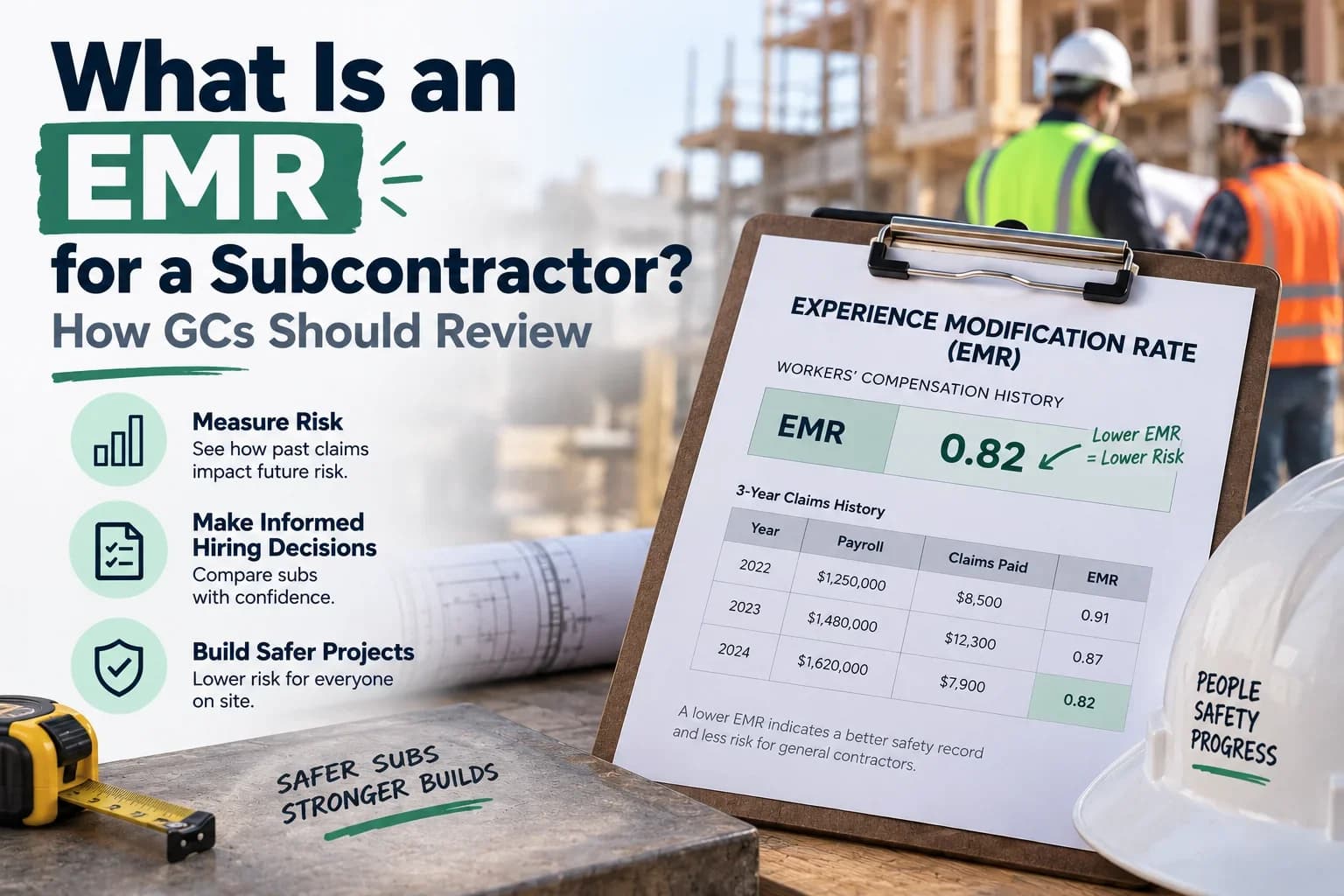
Understand what a subcontractor's Experience Modification Rate means, what the number does and does not tell a GC, what documentation to request, and how to record the review.
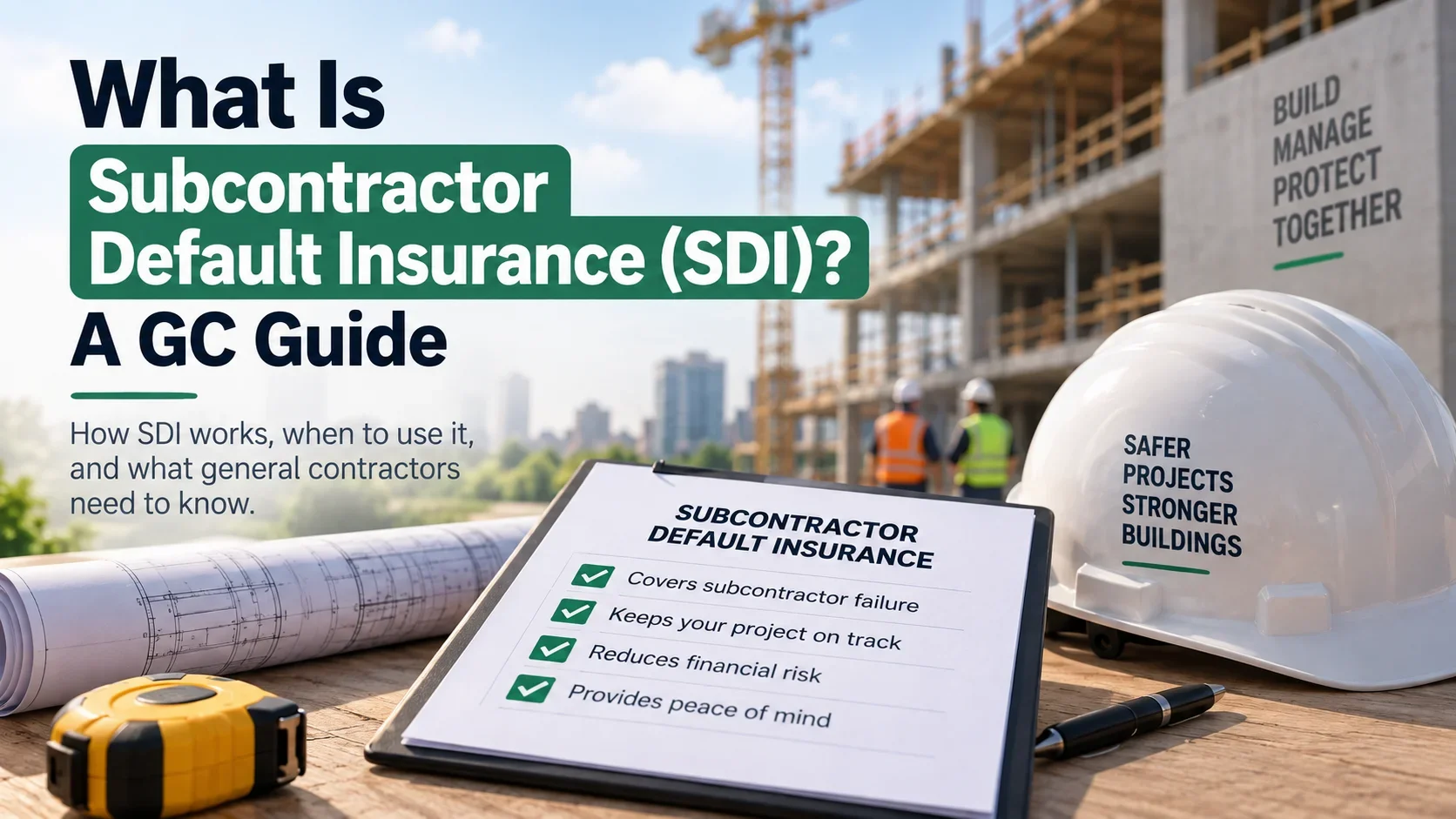
Learn what subcontractor default insurance is, how SDI differs from performance bonds, who it is designed for, and how strong subcontractor prequalification supports an SDI program.
Learn why subcontractor insurance requirements can vary by trade and how GCs can build project-specific requirements without relying on a one-size-fits-all COI checklist.